By Jack Bason
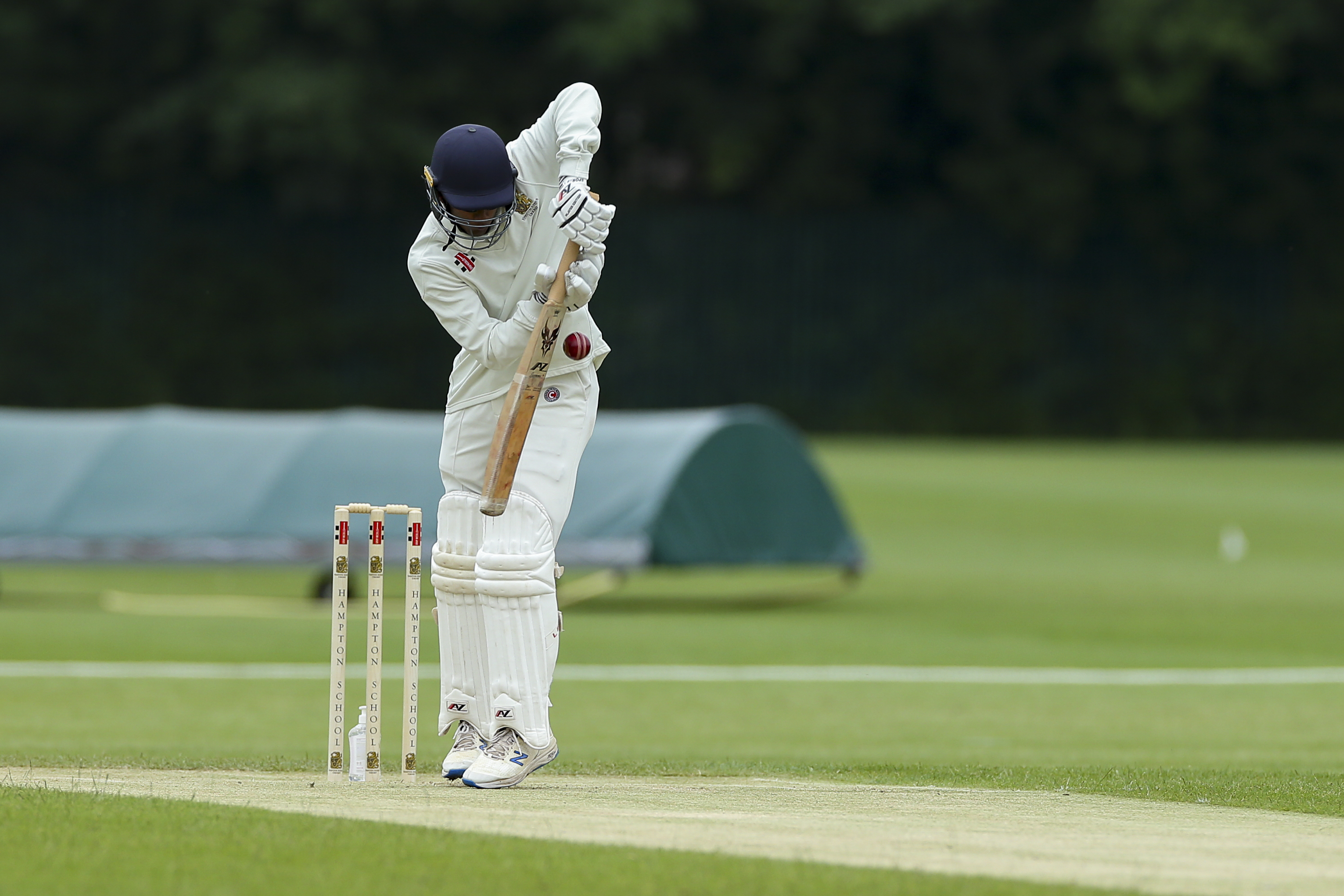
Cricket has been an established team sport for hundreds of years and can be called one of the most well-known sports in the world. It originated in 1611 in England and is now one of the most popular sports both there and in many other countries such as Pakistan, India, Australia, South Africa and Sri Lanka.
Cricket isn’t just about casual play or leisurely afternoons spent on the pitch. It’s a surprisingly demanding sport both physically and mentally. Imagine that you’re sprinting between wickets or diving for a match-winning catch. However, one question, which has never been answered over the 400 years of cricket existing, is whether the sport is more of a mental game or a physical one.
Cricket may look like a physical sport, but the truth is that success on the field depends far more on the mind than on the body. You can train your muscles to hit harder or bowl faster – but in cricket, it’s the brain that truly wins the match.
To become a world class cricketer, you must be able to rely on your mental skills – like concentration, decision-making, patience and strategy. These are just as much if not more important than your physical skills such as strength, fitness, coordination and technique. For example, in the 2019 world cup final, Ben Stokes didn’t win because he was the strongest or fastest – he won because he stayed calm when everyone else panicked. That’s mental strength.
Arguments FOR (yes, cricket is more mental)
At first, people say that cricket is more of a physical game, but then you look at the sustained concentration players maintain over long periods of time, and all of the pressure management which they have to go through, such as strategic placement of fielders, choosing the right delivery to bowl or deciding which shot to play. It all starts to come across you that there really is another aspect to the sport.
One of the key unnoticed sides to the sport is the ability to stay focused and sustain concentration. As matches, especially Test cricket, can last for days, requiring players to maintain high levels of concentration and patience over long periods, switching their focus on and off between overs. Famous England international Alastair Cook once even stated that “Cricket is a game that can test
your nerves to the extreme. It teaches you patience and resilience.” This shows that even the professionals are extremely aware that mental stamina (nerves, patience, resilience) is integral to cricket.
External pressure from fans and the media can have a big impact on how players behave during a cricket match. However, the biggest pressure often comes from within the players themselves. Many players feel like that they must constantly prove their ability, which can easily lead to stress, frustration or emotional reactions during competitive moments. Instead of your brain telling you “Just try your best” like normal, you would think “I have to be perfect”. This causes players to behave differently on and off the field, being extremely critical of every move they make and, most importantly, not being mentally ready to play.
It’s not always obvious that captains are one of the most important players on the field. However, they must stay extremely calm and keep their emotions in check with all the extra pressure and decisions which captains have to make throughout a match. They need to constantly consider field placements and bowling changes, as well as predicting the next move of their opponents. For example, if someone has just hit a bowler for three sixes in a row, who is everyone on the fielding side going to look at? Surprisingly, the captain, not the bowler. So, as a captain, it is much harder for you to stay mentally focused and deal with pressure that can come from nowhere and easily be flipped on you.
Despite not being a past captain of his country, Shane Warne (world famous Australian leg-spinner) once said that “Cricket is a game of intimidation. If you can’t stand the heat, get out of the kitchen!”. This clearly conveys how you have to focus on mental toughness under pressure in cricket.
Arguments AGAINST (no, cricket is more physical)
Cricket is, at the same time, a physically demanding sport, which requires a combination of endurance, strength, agility and hand-eye coordination. With intensity and fitness levels constantly rising in the modern game, to be a world-class cricketer your skills and stamina could easily be the deciding aspect in every match.
Cricket requires peak physical conditioning to endure long hours of fielding, fast bowling and explosive batting. This shows that it’s not simply a mental sport as you also have to be very skilfully prepared for what can be thrown at you during a match. Physical fatigue also directly impacts a performance, showing that the body, not just the mind, is a limiting factor in the sport.
While strategy is involved, the execution is purely physical; a player might know where to place a shot, but the strength and coordination needed to execute is purely based on enactment. The same thing applies for bowling, too – it’s one thing to know where to bowl the ball, and another to actually execute it, demonstrating that you have to be physically skilled to make it anywhere on the cricket field.
Another key unnoticed point to the physical side of the game is the physical stress of fast bowling. With fast bowlers putting immense strain on their bodies through the repetitive, high-speed action of delivering the ball, they can easily gain injuries without proper conditioning, showing that fast bowlers in particular have to be extremely aware of their fitness and body health.
Conclusion
In conclusion, true cricket success is underpinned by strong mental resilience, nurtured through motivation and serious dedication to the sport. However, to become a highly-skilled player, it is also crucial that you are physically ready: whether it’s fitness, hand-eye coordination or your agility, as a cricketer it is important to consider this aspect just as much as the other side of the game. Though, at first glance, it may seem like cricket is just a physical sport – like many others – one thing that may not be noticed is the work that players put in behind the scenes to be mentally ready for each and every match they participate in. To finish, it’s clear that the sport is not all about whether you can hit the biggest six or who can bowl the fastest; you have to also be reliant on your mental skills, as it is the brain that truly wins the match.
Leave a Reply