By Arthur Hanna
Motor Neurone Disease (MND) is a progressive, and fatal, neurological condition which affects motor neurones in the brain and spinal cord. These nerves control essential day-to-day muscle activity.
Early symptoms include a weakened grip, more frequent falls, and muscle cramps. As the disease progresses, speech can become slurred, you can have difficulty breathing and swallowing. But the real problem is that there is currently no cure, meaning that if you get the disease, your life-expectancy shortens; in most cases, people pass away within 3 years after being diagnosed with the disease.
And as you could have guessed from the title of this article, I will be talking about how this disease affects sports people after sport.
Rugby Union and League
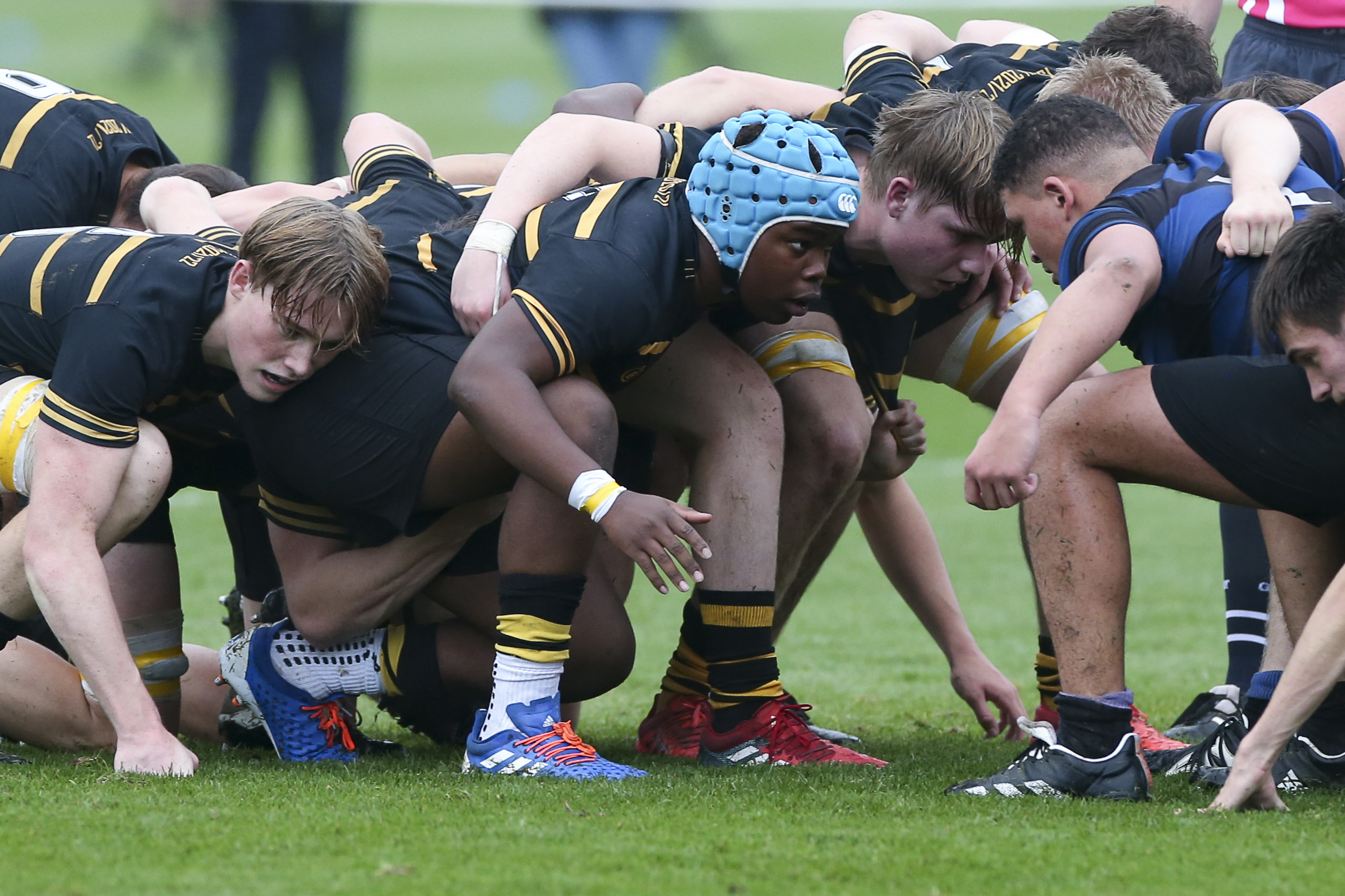
In rugby, we have seen several cases of MND over the past few years. This includes Lewis Moody (former England and Leicester Rugby Union player), Doddie Weir (former Scottish Rugby Union player), and also Rob Burrow, (former English Rugby League player). These players were all told they had MND after finishing their careers.
Doctors have said that this might be because of the frequent head impacts, concussions, and trauma which occur during a professional rugby career. These specialists also ran a case in Scotland, and it was found that the risk of MND was more than double for Scottish rugby players compared to the rest of the population. These researchers have called for less head collision in the sport.
Experts have also found that rugby players who had five or more concussions in their career had higher levels of certain proteins in their blood, increasing the chance of some diseases such as MND. They compared 30 retired athletes, four of which had history of five or more concussions over their career, the other 26 had no history of concussion. The four rugby players, who had history of concussion, had much higher levels of these proteins.
Football
In football, there have been fewer notable cases, but it is still a topic that requires more coverage than it has received in recent years. These cases include former Hull City player, Stephen Darby, who was still playing at the age of 29 in 2018 when he was diagnosed with the disease, forcing him to retire instantly.
Seven years on, he is still battling against the disease and has been a major advocate for MND, even establishing the Darby Rimmer MND foundation to raise awareness for the disease. He talks about how the disease spread from sporadic twitching in his arm and weakness in his hand, to spasms in his arms, legs, chest and tongue.
Experts believe that, similarly to rugby, the chance of getting MND is much higher in sports like football due to factors such as frequently heading the ball and the extreme physical demands. Researchers from the University of Sheffield have previously published a study which suggested that there is a link between extreme exercise and the risk of developing MND. They then followed this up, by looking at males and females separately, looking at exercise and genetic data between people with and without MND. They found a link between extreme exercise and MND in men, and the data suggested that men who exercise to an extreme extent have increased risk of developing MND at an earlier age.
American Football (NFL)
In American Football, there have also been high numbers of MND once retiring. This includes Steve Gleason, a former NFL player of the New Orleans Saints. He was diagnosed with MND in 2011 at the age of 34. However, he has defied the odds, and 15 years later, he is still living with the disease.
In 2021, there was a major analysis of 19,000 NFL players. This showed that NFL players have a three to four times higher chance of developing MND compared to the normal person. A different study suggests that the running positions, such as wide receivers, running backs, and defensive backs may have a higher chance of getting MND than other positions because of the greater impact intensity experienced in these roles. And as with the other sports which I have mentioned, another major factor is the repeated head impacts which American Football players suffer.
Treatments
As cited above, there is no specific cure for MND, so doctors are more focused on slowing down the progression of the disease and managing the symptoms. There have been a few medical advancements, such as Riluzole – a drug used to slow progression of the disease and to prolong life in some people.
Another way of trying to slow the disease is through supportive therapies; physiotherapy and exercise can help maintain muscle strength and mobility. This is before the disease properly kicks in, but once at the peak of problems, doctors can only provide nutritional and respiratory support to help with swallowing and breathing. Ongoing trials are testing various more drugs to see whether they tackle MND more effectively.
Other causes of MND
MND is not only a result of head impacts or extreme exercise. It is normally diagnosed to people above the age of 55 and there are many other factors it can be attributed to including genetic origins; 5-10% of MND cases are inherited through genes. You can also get the disease from age, as when you get older the structure of some neurones can be affected over time. There are even some environmental factors that can cause MND, such as exposure to certain chemicals. However, about 90% of cases about MND appear without any family history and research is going on to see whether these various factors do play a role in getting diagnosed with the disease.
From my findings, there is undeniable correlation between high impact sports and cases of MND – this could be due to frequent head collisions, extreme exercise and intense training. However, doctors do not have sufficient data to prove whether there is causation behind this link between specific sports and MND, and so more research is required by leading scientific groups and sports institutions.
Leave a Reply